The Power of Words: Rethinking How We Describe Dementia and People Affected by It

Introduction: Why Words Matter to Me
Since being diagnosed with young-onset dementia, I've become very aware of the words people use when talking about me, my condition, and the people who support me. Words are not just harmless descriptions. They can change how others see me, how I see myself, and how I am treated.
Some words make me feel respected and included. Others make me feel small, broken, or invisible. Over time, I've learned that language is one of the most powerful tools we have for building dignity.
In this blog, I aim to share my perspective on the language people use when discussing dementia. Are they helpful? Are they harmful? Do they need to change as my condition progresses?
Living With Labels
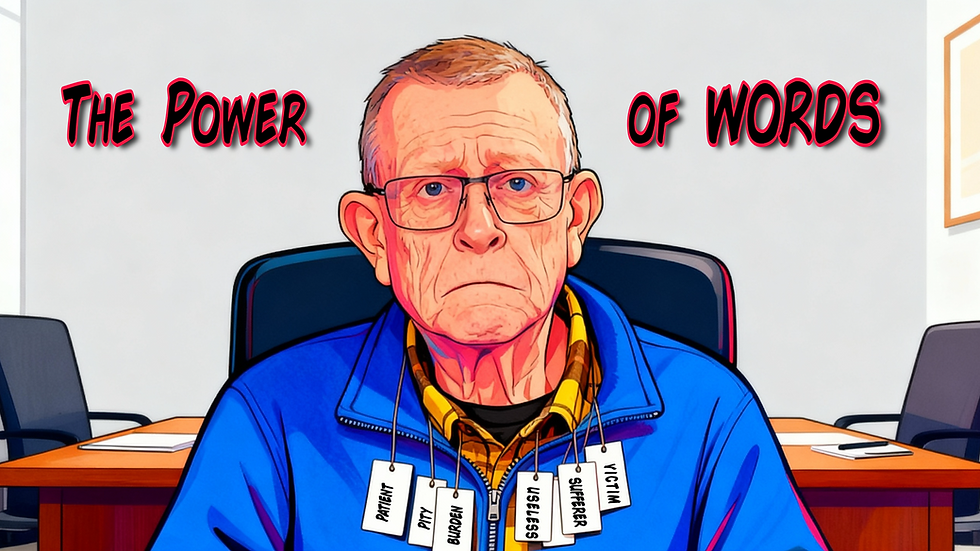
When I was first diagnosed, I felt like society had slapped a label on me: dementia patient. Suddenly, my name and my life story seemed less important than the diagnosis. Since then, I've been called many things: patient, sufferer, victim, service user, carer's burden, expert by experience.
Each of these labels carries weight. Some empower me. Others drag me down. Let me walk you through what they feel like from the inside.
Words People Use About Me
1. "Patient"
When I'm at the doctor's surgery or hospital, I don't mind being called a patient. That's the proper context. But once I step outside, I'm not a patient. I'm a father, husband, friend, neighbour, and blogger. If you keep calling me a patient, it feels like my whole identity is reduced to my illness. I want to be more than that.
2. "Sufferer"
I really dislike this one. Do I suffer sometimes? Of course. But I also live, laugh, love, and achieve. If you call me a sufferer, you make my whole existence sound like misery. I don't want to be pitied. I want to be respected.
3. "Victim"
Being called a victim makes me feel powerless, as if dementia has stolen everything from me and I have no fight left. I don't see myself that way. Yes, dementia takes things away from me, but I adapt. I keep moving forward. I'm still me.
4. "Person Living With Dementia"
This is the term I prefer. It prioritises ME over the condition. It reminds me and others that I'm still here, still alive, still living. It might sound clunky to some, but for me it's respectful and accurate.
5. "Expert by Experience"
I've been called this when I speak at events or join research projects. At first, it felt strange. However, it actually makes me feel valued. I have knowledge that comes from living this every day. That experience is worth sharing.
6. "Warrior", "Fighter", Brave" etc.
Sometimes people call me brave or a fighter. It can feel nice, but it also makes me uneasy. Dementia isn't a battle I can win. I'm not weak if I have bad days. I'd rather be recognised for my persistence and creativity in living with dementia than for some imaginary battle I didn't choose.
7. Just "Me"
The best feeling of all is when people forget about the labels and just see me as Pete. Not a patient. Not a sufferer. Just me.
Words People Use About My Supporters
1. "Carer"
In the UK, this is the most common term. It's useful in services and benefits, but my wife doesn't like it. She's my partner, not my carer. Calling her a carer makes our marriage sound like a job.
2. "Caregiver"
This is more common in America. To me, it feels somewhat clinical, as if the relationship is one-sided. In truth, my wife Pam and I still give to each other, even if it looks different now.
3. "Loved One"
This sounds warmer, but it doesn't always fit the bill. Not all carers are loved ones, and not all relationships are easy. Sometimes it's too neat a phrase for a messy reality.
4. "Supporter"
I like this one. It's neutral and flexible. It acknowledges that I need support, but it doesn't take away the fact that we're still equals in many ways.
5. "Partner in Care" or "Companion"
These phrases are less common, but I like them because they recognise the journey we share. Dementia affects both of us. It's not just my diagnosis.
Do the Words Need to Change Over Time?
Yes. I think they do. Early on, I just wanted to be seen for who I am. Later, as my needs increased, I was more comfortable with words like supporter or care partner. If I eventually reach a point where I need full-time care, I may not mind being referred to as a patient in that context.
Language needs to bend with the journey. The key is choice. Let people tell you what words feel right for them at each stage.
How Words Affect Me
Confidence
If I hear myself called a sufferer, it dents my confidence. If I'm described as a person living with dementia, it reminds me I still matter.
Relationships
When my wife, Pam, is introduced as my caregiver, people look at us differently. They forget we're partners. They see ME as dependent and HER as in charge. That changes the dynamic.
Society
The words in newspapers and on TV matter too. Headlines that talk about "dementia victims" make the public think of nothing but loss. Campaigns that talk about "people living with dementia" help the world see me as human, not tragic.
My Hopes for Better Language
I'd like people to follow a few simple rules:
Put the person before the condition.
Respect the roles people already have—husband, wife, son, daughter, friend.
Avoid words that focus only on pity.
Accept that preferences vary—there is no single correct answer.
Ask us what we prefer. We'll tell you.
Voices That Matter
I'm not the only one who feels this way. Other people living with dementia often say:
"Don't call me a sufferer. I'm still living my life."
"I want to be me first, dementia second."
"Being recognised as an expert by experience makes me feel included."
And carers say things like:
"I'm not his carer, I'm his wife."
"Being called a carer helps me access support, but it doesn't define me."
"Loved one is nice, but not always true."
These voices demonstrate the personal nature of this experience.
Should We Drop Labels Altogether?
Sometimes I think the best approach is to avoid labels wherever possible. Just use names. Just say "Pete and his wife" rather than "the dementia patient and his carer".
But I know services and research need categories. If they must use them, let's push for terms that are respectful, flexible, and person-centred.
A Vision for the Future
I want to see a world where:
The media stops talking about "sufferers" and "victims".
Supporters are recognised as partners, not burdens.
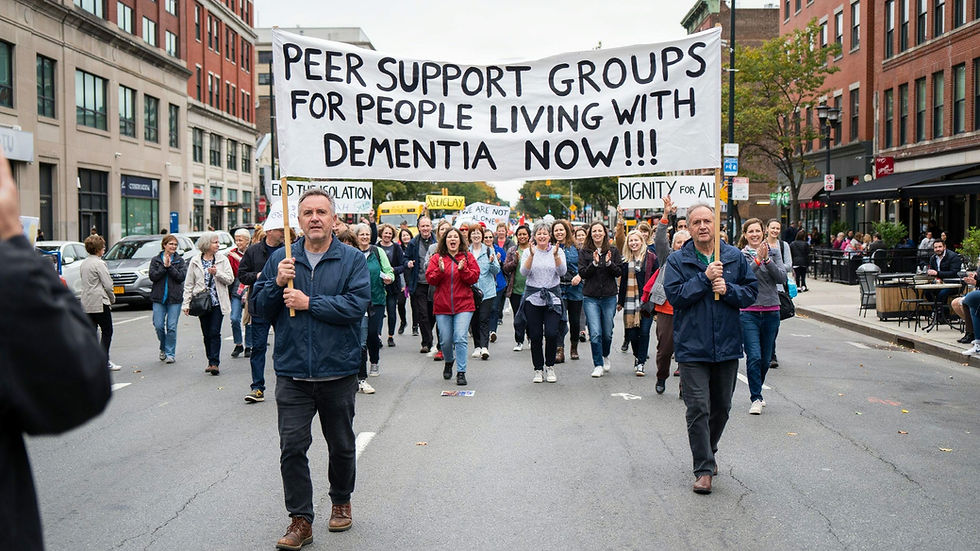
People with dementia are included as experts in shaping the services they receive.
Words reflect dignity, not despair.
If we change the way we speak, we can change the way we think. And if we change the way we think, we can change the way we act.
Conclusion: Words Shape My World
Living with young-onset dementia has taught me that words really matter. They can either steal my dignity or strengthen it. They can either reduce me to a patient or lift me up as a person.
So, are the words we use appropriate? Not always. Should they change as the journey progresses? Yes, because we change too.
If you're not sure what to say, just ask me. I'll tell you what feels right. Above all, remember that I am still me. Call me by my name. See me as a whole person. That's the most powerful language of all.


First hand information...always the best source of information. Thank you so very much Mr Middleton.
Love this Pete. Appreciate your insight and experience. Thank you for sharing! It is useful for people to read your comments about the power of language. It certainly can be destructive and demoralising when people are defined by labels. The media especially needs to get up to speed on using ethically acceptable language when writing about dementia!
Pete; an expert through experience in many fields!
You're doing a great thing bringing up these points, it's relevant to all of us at various points in our lives from potentially different sides of the fence too. Your blog is a valuable contribution in evidencing how we can evolve how we communicate. 👍🙂